Artemisia as a Natural Remedy
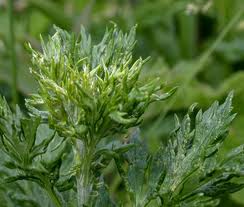
Description: Artemisia is a bushy perennial that grows from 2 to 4 feet high, and has tiny yellow-green flowers.
Part used: Broken pieces taken from the top of the plant are used in herbal medicine.
Where found: This plant is native to Japan, Taiwan, and northern China.
Traditional uses: This herb has several useful antimicrobial properties. It also stimulates the production of bile in the body.
This herb is a powerful parasite exterminator that is compatible with intestinal flora and cleanses the intestines.
It also treats urinary tract infections caused by Klebsiella bacteria.
It is also an important treatment for malaria, as well as being effective against the organisms that cause river blindness.
This herb is also effective in treating constipation and diarrhea. It soothes inflamed intestinal tissues, aids digestion, promotes the circulation of nutrients to the cells, and alleviates abdominal cramping.
It is also effective at treating hepatitis and jaundice. It increases the secretion of bile into the intestinal tract, thus helping the liver to dispose of its waste products.
When used in combination with gardenia, it has been shown to increase the rate of liver cell regeneration
It also works on the liver, stomach, spleen, and gallbladder to clear jaundice and fever, as well as to treat hepatitis.
Other considerations: This herb is primarily used in teas or tinctures.
A common misunderstanding
Several herb handbooks warn that this herb may have intoxicating effects similar to that of marijuana. Whether you consider this to be desirable or undesirable, it is simply not true.
This misunderstanding stems from the use of a form of the herb known as absinthe, a fashionable drink in the nineteenth century. The drink became associated with the death of the American author Edgar Allen Poe, and the suicide of the painter Vincent Van Gogh.
Thujone, the intoxicating chemical in this herb, and (THC), the active ingredient of marijuana, have similar molecules, and both attach to the same receptor sites in the brain. However, the thujone content of alcoholic beverages containing artemisia is less than one-twentieth of the amount needed for intoxication. Any "high" from this herb comes from the alcohol in which it is dissolved.
This information is not intended to diagnose or treat any specific condition, nor is it intended to replace the advice of your healthcare professional.
Sources
Balch, Phyllis A., CNC. "Prescription for Nutritional Healing". Garden City, NY.: Avery Publishing Group, 2006
Ritchason, Jack, ND. "The Little Herb Encyclopedia". Pleasant Grove, UT.: Woodland Health Books, 1995
Encyclopedia.com