Arjuna as a Natural Remedy
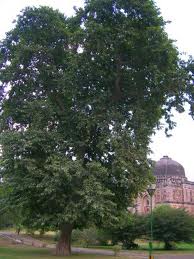
Description: Arjuna is an evergreen tree with yellow flowers and conical leaves that grows to be 100 ft tall.
Part used: The bark of the tree is used for herbal medicine.
Where found: This tree is native to the Indian subcontinent.
Traditional uses: This tree is among the most frequently prescribed herbs for cardiovascular health. Its primary benefit is the improvement of the heart muscle function and improved pumping activity of the heart.
This herb is used as a heart tonic to treat heart failure and edema, which is a condition which results in swelling of the legs and ankles specifically because of ineffectiveness of the heart's pumping action.
Taking this herb for one year will strengthen the heart muscle to its best condition.
Research at Arizona State University has also confirmed that this herb acts against the bacteria that causes gonorrhea.
This herb is a stimulant, tonic, and astringent.
It is also used to treat hemorrhages, diarrhea, dysentery, edema, skin problems, and fractures.
It has also been found to have antibacterial properties.
Other considerations: This herb is commonly available in capsule form. Herbal formulas often combine this herb with as many as 30 other heart healthy herbs.
Because this herb has such a dramatic effect on the heart muscle, it is recommended that it be taken for angina or congestive heart failure only after consulting with a healthcare professional.
This information is not intended to diagnose or treat any specific condition, nor is it intended to replace the advice of your healthcare professional.
Sources
Balch, Phyllis A., CNC. "Prescription for Nutritional Healing". Garden City, NY.: Avery Publishing Group, 2006
Ritchason, Jack, ND. "The Little Herb Encyclopedia". Pleasant Grove, UT.: Woodland Health Books, 1995
Encyclopedia.com