Anise as a Natural Remedy
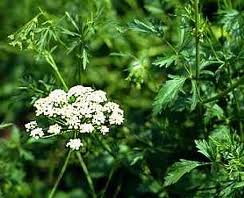
Description: Anise is a highly aromatic, low growing plant that produces feathery leaves and small yellow and white flowers on stalks that grow one to two feet tall.
Part used: The seeds are the part used most. The essential oil is distilled from the seeds, and they are also the part used in flavorings for foods.
Where found: This herb is native to the Mediterranean coasts of West Asia, but is also cultivated for use in Egypt, Spain, and Turkey.
Traditional uses: This is an herb that stimulates the body to secrete fluids to clear out congestion and normalize digestion.
The seeds from this licorice flavored herb have been used for thousands of years to freshen the breath. You simply boil a few teaspoons of seeds in a cup of water for a few minutes, strain, and then drink or use as a mouthwash.
This herb also contains a compound with effects similar to those of estrogen. It is known for increasing milk production in nursing mothers, promoting menstruation, and facilitating childbirth. It is also said to increase libido in both men and women.
This herb also has tendencies to settle an upset stomach, and was once given to help colicky babies. It also stops spasmodic flatulence and aids digestion.
Used as a cough suppressant, this herb is an ingredient in many cough medicines and lozenges. Teas made from the seeds are particularly helpful in treating an unproductive cough.
The Greeks used teas made from this herb and fennel to treat asthma and other respiratory ailments. It also helps to loosen phlegm in the respiratory tract.
Other considerations: Anise is used as a tea. The essential oil is used in aromatherapy, and the whole seeds are used in cooking. Aromatherapy and foods prepared with this herb have the same but milder effect as taking it as an herb.
You should use of this herb if you have an allergic or inflammatory skin condition. Large doses are narcotic and slow down the body's circulation, so it should be used in moderation.
This information is not intended to diagnose or treat any specific condition, nor is it intended to replace the advice of your healthcare professional.
Sources
Balch, Phyllis A., CNC. "Prescription for Nutritional Healing". Garden City, NY.: Avery Publishing Group, 2006
Ritchason, Jack, ND. "The Little Herb Encyclopedia". Pleasant Grove, UT.: Woodland Health Books, 1995
Encyclopedia.com