Andrographis as a Natural Remedy
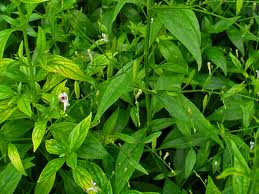
Description: Andrographis is a branched, erect annual plant with many uses in herbal medicine.
Part used:Its leaves and stems are harvested in late summer for medicinal use.
Where found: This herb grows in forests and wastelands in China, India, Pakistan, and Thailand. It is cultivated extensively in China and Thailand, as well as in the East and West Indies.
Traditional uses: Andrographis is an ancient medicinal herb which has seen extensive use in Asia. It has been used for centuries to treat upper respiratory infections, fever, herpes, sore throat, and a variety of other chronic and infectious diseases.
In Scandinavian countries it is often used to treat the common cold.
There have also been successful studies regarding its use as a treatment for cancer, AIDS, and a variety of bacterial and viral diseases.
Clinical studies in China have shown that this herb prevents the formation of blood clots and prevents the reclogging of arteries following angioplasty. The herb changes the way the lining of the blood vessels responds to calcium, helping to keep them open.
Studies have shown that if a cancer cell can be forced to mature, or "differentiate", it will no longer have the ability to grow out of control. It has been shown that this herb has the ability to force leukemia cells to mature in this way. Also, extracts from the leaves are toxic to cancer cells. Japanese studies have shown that this herb stops stomach cancer cells from multiplying. Other studies have shown similar positive results with skin cancer, prostate and breast cancers, as well as non-Hodgkin's lymphomas.
This herb also prevents infections with the types of viruses most often responsible for the common cold. Studies have shown that taking 200mg daily of andrographis preparation, which is marketed as Kan Jang, throughout the cold season reduces your chances of catching a cold by over 50%. It also relieves runny nose, headache, sore muscles, sore throat, swollen lymph nodes, and fatigue, although a larger dose of 1,200mg daily may be required in order to see these effects.
Extracts of this herb have been shown to have significant effects on the diarrhea associated with E. coli bacterial infections, as well as other chronic inflammations of the colon.
The primary active ingredient in andrographis increases bile flow and levels of bile salts and bile acids, thus making it an effective treatment for hepatitis, liver, and gall bladder problems. It is also a powerful stimulant of gallbladder function, thus greatly reducing the formation of gallstones. It is actually more potent than silymarin, which is the active ingredient found in milk thistle which is often used to treat liver problems.
This herb also counteracts the human immuno-deficiency virus (HIV) in at least four ways. This is the same action as the AIDS drug known as AZT, and taking andrographis makes it possible for doctors to treat AIDS with lower doses of AZT and fewer side effects.
Other considerations: This herb should be taken in the form of tablets made from a standardized extract.
This herb also reduces fertility in both men and women, and should be avoided during pregnancy and nursing.
While this herb has very low toxicity, it has been known in very rare cases to cause dizziness or heart palpitations. It can also cause an allergic reaction ranging from minor skin rash to more serious anaphylaxis, although these are also quite rare.
This information is not intended to diagnose or treat any specific condition, nor is it intended to replace the advice of your healthcare professional.
Sources
Balch, Phyllis A., CNC. "Prescription for Nutritional Healing". Garden City, NY.: Avery Publishing Group, 2006
Ritchason, Jack, ND. "The Little Herb Encyclopedia". Pleasant Grove, UT.: Woodland Health Books, 1995
Encyclopedia.com