Aloe Vera as a Natural Remedy
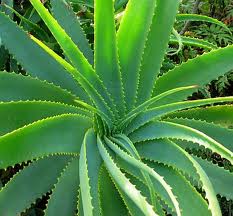
Description: Aloe, or aloe vera, is a prickly, gray-green perennial with leaves that can grow up to two feet long. It has spikes of yellow or orange flowers.
Part used: The leaves contain a clear gel that is used in skin treatments. This gel contains over 200 nutrients which are known to be beneficial the the human body. Also, there is a dried yellow sap that is taken from the leaf base, called aloe bitters, which is taken internally.
Where found: It was originally native to Africa, but it is now cultivated around the world.
Traditional uses: Studies have shown that burns and other wounds heal much faster when treated with aloe, and also have far less scarring.
Aloe has been shown to have great effects on the immune system which make it very difficult for cancer to start or grow. In a skin cancer study with animals, a treatment of aloe gel and vitamin E cream resulted in remission in 33% of cases studied. It is also very effective at keeping cancer causing substances from entering the liver.
The bitters work as a laxative, and is used extensively to help treat constipation.
The juice is an effective anti-inflammatory for people with Crohn's disease, but bitters and laxatives made from this herb should be avoided by people with Crohn's disease.
Diabetes. In one study, patients with diabetes were given a spoonful of aloe extract with water with every meal for fourteen weeks. At the end of that study, their fasting blood sugar level fell from 273 to 151, a very significant difference.
Frostbite. Aloe prevents a loss of blood circulation to the frozen tissues, which is one of the biggest causes of damage in frostbite cases. Studies have shown that frostbite victims treated with aloe vera cream are much more likely to heal without any tissue loss or amputation.
Hangover. A compound in aloe helps prevent alcohol intoxication by preventing the passage of alcohol from the intestines into the bloodstream.
Hemorrhoids. Aloe gel applied topically will help heal hemorrhoids. Physicians in India recommend drinking 1/2 cup of aloe juice three times a day until the flare-ups are over.
In test tube studies, an immune-stimulating compound found in aloe vera was shown to be active against HIV.
Aloe vera also concentrates in the kidneys, promotes the growth of healthy kidney cells, and slows down crystallization, thus helping to prevent kidney stones.
Radiation exposure. Aloe protects the skin against damaging x-rays.
It has also been proven effective at treating and healing numerous kinds of skin disorders, including psoriasis, eczema and sun-damaged skin. It has also been shown that a compound contained in this herb kills the viruses that cause herpes and shingles.
Studies have also shown that patients who underwent surgery and were treated with a dressing and aloe healed much faster than those treated with a dressing and surgical gel.
Aloe is very effective in reducing inflammation caused by peptic ulcers, except in cases where stress is the predominant factor. It has been shown to heal ulcers so completely that researchers actually recommend its use over the prescription anti-ulcer drug Tagamet.
Other considerations: Use aloe gels for skin problems, bitters for constipation and kidney stones, and juice for other disorders.
There are many so called aloe vera products on the market that actually contain very little of this herb. They are not nearly as beneficial as the genuine product, so read labels carefully. For a quality product, it should be listed as either the first or second ingredient.
The bitters or juice should not be taken internally during pregnancy or menstruation. Also, the juice is passed on through the mother's milk to the nursing child, so it should be avoided by nursing mothers as well. However, using the gel topically for skin treatments during these times is OK.
The long term use of this herb internally (more than two weeks) is not recommended, as it can result in the depletion of electolytes from the body, especially potassium.
Women who take birth control pills should avoid the internal use of aloe, although topical use will not cause a problem.
This information is not intended to diagnose or treat any specific condition, nor is it intended to replace the advice of your healthcare professional.
Sources
Balch, Phyllis A., CNC. "Prescription for Nutritional Healing". Garden City, NY.: Avery Publishing Group, 2006
Ritchason, Jack, ND. "The Little Herb Encyclopedia". Pleasant Grove, UT.: Woodland Health Books, 1995
Encyclopedia.com