Agrimony as a Natural Remedy
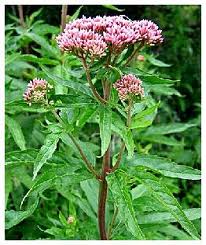
Description: Agrimony has paired leaves which are green on top and silvery underneath which grow along the length of the stem, which grows to about three feet in height. It also produces a cluster of yellow flowers at the top of the plant.
Part used: The entire plant is used in herbal medicine.
Where found: It is grown throughout much of the United States and southern Canada.
Traditional uses:
Bed-wetting. It stops the irritation of the urinary tract which will cause a child to feel the need to urinate.
Bleeding. It has been used for thousands of years to stop bleeding and bruising, and to encourage clot formation.
Diabetes. It lowers blood sugars and helps alleviate excessive thirst in people with type 2 diabetes. Studies in animals also show that it can prevent the development of type 1 diabetes.
It has long been used as an effective treatment for jaundice and liver problems.
Diarrhea. It is effective in relieving diarrhea, especially in small children.
Parasites. It is also very effective at expelling parasites. It contains a compound which causes them to lose their grip on the walls of the intestinal or urinary tract, thus allowing them to be flushed from the body. It also kills the parasites which cause River blindness, as well as the bacteria which cause E. Coli, dysentary, and typhoid fever.
Other considerations: Agrimony is usually used in teas or tinctures. It has a very low toxicity, which makes it especially useful for treating ailments in small children.
While it is an effective treatment for many kinds of diarrhea, it can aggravate constipation problems.
People with certain kinds of cancer, including chronic leukemia, multiple myeloma, and ovarian cancer may experience a beneficial immune system boost as an extra benefit from this herb. It also helps prevent some forms of breast cancer.
People with rheumatoid arthritis, Grave's disease, Hashimoto's thyroiditis, lupus, or any other autoimmune disease should avoid taking this herb.
This information is not intended to diagnose or treat any specific condition, nor is it intended to replace the advice of your healthcare professional.
Sources
Balch, Phyllis A., CNC. "Prescription for Nutritional Healing". Garden City, NY.: Avery Publishing Group, 2006
Ritchason, Jack, ND. "The Little Herb Encyclopedia". Pleasant Grove, UT.: Woodland Health Books, 1995
Encyclopedia.com